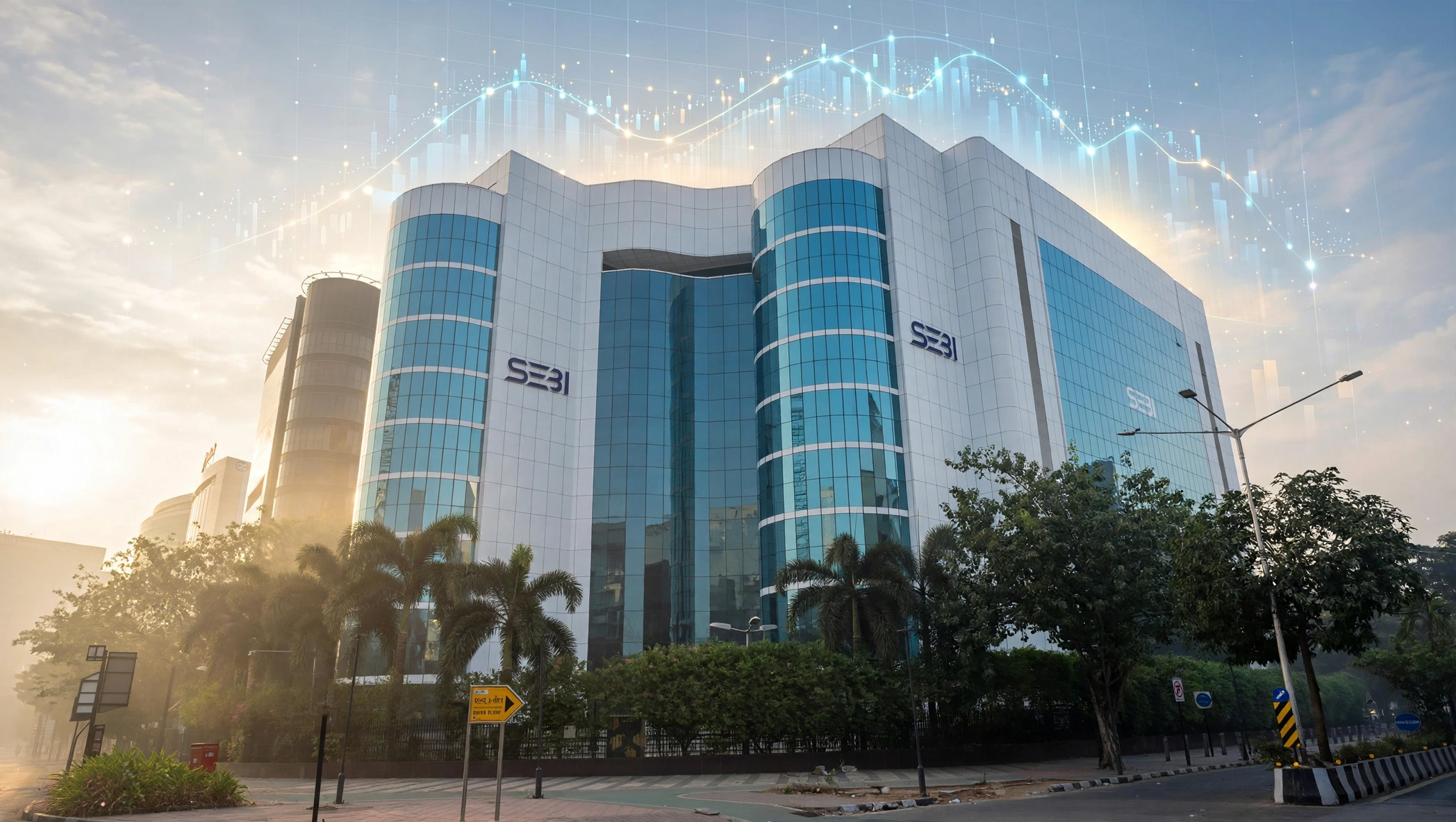
On 14 October 2026, SEBI released a consultation paper that rebuilds how small companies list in India. The profit bar triples. Eligibility stops being about paid-up capital and becomes about market value. Market making — a fixture of the SME platform for over a decade — is proposed to be scrapped.
Public comments close on 4 November 2026. If you're planning an SME listing in the next two years, this paper is the single most important document you'll read this year. Here's our plain-language breakdown, and what we'd do in your place.
The new profit test: ₹3 crore average, not ₹1 crore twice
Today: operating profit of at least ₹1 crore in two of the preceding three years. Proposed: average annual operating profit of at least ₹3 crore across all three preceding years, on restated consolidated numbers.
That word "average" matters. A company with ₹5 crore, ₹4 crore, and ₹0.5 crore passes today and fails the new test (average ₹3.17 crore — actually just passes; make it ₹0.2 crore and it fails). Lumpy profits get punished. Steady performers get rewarded. If your three-year profit line zigzags, start planning now — the restated numbers you file in 2027 will be read under the new lens.
Fail the test? There's a door, but it's narrow: a book-built issue with at least 75% of the net offer going to QIBs. Miss that allocation and the whole subscription is refunded. This route is for companies institutions actually want — not a loophole for weak issuers.
Market cap decides your board now
The proposal replaces paid-up capital with post-issue market capitalisation:
Up to ₹1,000 crore — SME platform only. ₹1,000–4,000 crore — your choice, but SME needs Ind AS-compliant restated financials. Above ₹4,000 crore — main board, and you refile under the mainboard framework.
For most of our SME clients (₹50–500 crore market cap), the practical effect is modest. For companies near the ₹1,000 crore line, it changes the entire listing strategy conversation. Our SME IPO eligibility checklist walks through the current tests; the new bands slot into it once notified.
Investor-side changes that affect your pricing
Minimum application drops from ₹2 lakh to ₹1 lakh (four lots of ₹25,000+). Minimum allottees rise from 200 to 500. Market making goes away; shares trade in single-share lots after listing. Underwriting moves toward main-board norms with a 90% minimum subscription.
Translation: SEBI wants broader, more liquid SME issues and is done propping up thin trading with compulsory market makers. For issuers, this means your issue must genuinely sell — distribution and pricing matter more, not less. That's exactly why our IPO Launch practice spends as much time on investor positioning as on the DRHP.
What we'd do this month
One: run your last three years' restated operating profit against the ₹3 crore average — not the old test. Our IPO Readiness assessment does this in the first sitting, along with the governance gaps (RPT approvals, cap table, IP ownership) that sink DRHPs.
Two: if you're between ₹2–3 crore average, decide early: build profit for a year, or prepare the QIB case. Both are legitimate. Drifting into a filing and discovering you're short is not.
Three: don't wait for notification. SEBI consultations of this shape usually land close to the draft. The companies that list smoothly in 2027 are the ones preparing under the new rules in 2026. For the full cost and timeline picture, read our SME IPO cost and timeline breakdown.
Average annual operating profit of at least ₹3 crore over the preceding three years on restated consolidated financials — replacing ₹1 crore in two of three years. Consultation paper dated 14 October 2026; comments close 4 November 2026.
Yes — book-built issue with at least 75% of the net offer allotted to QIBs. Miss the allocation and the entire subscription is refunded.
Up to ₹1,000 crore: SME only. ₹1,000–4,000 crore: choice of platform (SME needs Ind AS restated financials). Above ₹4,000 crore: main board.
Not yet — it's a consultation. Current ICDR rules govern until SEBI notifies the amendments. Prepare for the stricter test anyway if you're listing within 12 months.
Compulsory market making is proposed to be scrapped. Post-listing trading moves to single-share lots, and minimum application falls to ₹1 lakh with 500 minimum allottees.
Planning an SME listing? Don't guess where you stand under the new rules. CorpCFO's IPO Readiness team will test your numbers against the ₹3 crore bar, map every gap, and give you a dated plan — in one sitting.
Book your free IPO readiness assessmentOr call us directly: +91 79826 59624 · WhatsApp: Chat now