October 20266 min read By Atharv Iyer, Secretarial Audit Lead
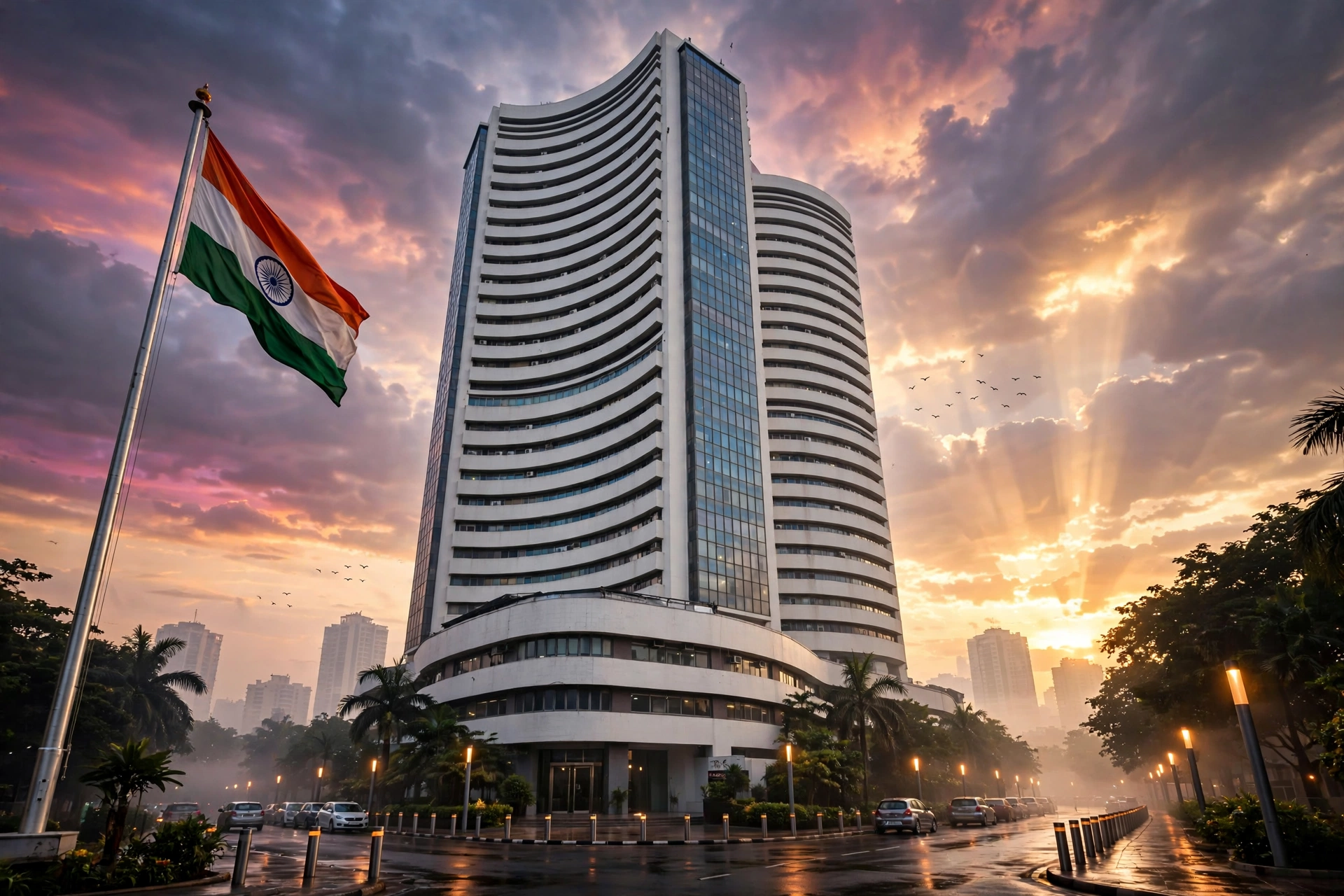
Every founder thinking about BSE SME or NSE Emerge asks the same first question: do we even qualify? Fair question. Here is the reassuring part — the eligibility rules fit on one page, and most serious companies clear them without drama. Here is the honest part — eligibility is the easy part. The twelve to twenty-four months after you tick these boxes is where listings are actually won or lost.
# The numbers
Start with the financial thresholds. Post-issue paid-up capital cannot exceed ₹25 crore — on both BSE SME and NSE Emerge. That is the line that keeps the SME platforms for genuinely small and mid-sized issuers.
Then the profitability test. A SEBI change from December 2024 requires operating profit (EBITDA) of ₹1 crore in at least two of the last three financial years, on both platforms. Your net worth has to be positive — and on BSE SME specifically, it must be at least ₹1 crore in each of the last two full financial years.
BSE SME also looks for net tangible assets of ₹3 crore in the preceding full year, and generally wants leverage at no more than 3:1. NSE Emerge takes a different angle on financial health: positive free cash flow to equity (FCFE) in two of the last three years, a rule in force since September 2024. Underneath all of it, the exchanges generally expect three years of track record.
Notice what these tests have in common: they measure real earning power, not paper growth. The EBITDA test asks whether the business actually makes money. The FCFE test goes one step further — are those profits turning into cash the owners can use? A company can look profitable on paper while bleeding cash. The exchanges have learned to check both.
# The hygiene items
Then the non-financial requirements — the stuff that trips up more companies than the numbers do:
- 100% demat holding by promoters. Still paper somewhere? Fix it now.
- A functional corporate website. Yes, really — it is a requirement.
- No major regulatory action against the company in the last three years.
- On BSE, no change in promoters in the preceding year.
None of this is hard. All of it is easy to overlook until a merchant banker asks.
# One practical note
Since March 2025, the minimum application lot is ₹2,00,000. It shapes who your investors are, and it belongs in your issue planning early.
# Eligible is not ready
If you tick every box above — good. You are eligible. Now forget the checklist for a moment, because eligibility tells you nothing about readiness: restated financials, governance that survives scrutiny, a clean cap table, DRHP preparation. That is a twelve to twenty-four month job, and it starts long before the filing.
:::note Exchange rules change. The figures above reflect the requirements as understood in October 2026 — verify against the current BSE SME and NSE Emerge rulebooks before acting on anything here. :::